
Are Foundation Cracks a Serious Structural Problem?
Learn when foundation cracks are serious, what different crack patterns mean, and when to call a structural engineer
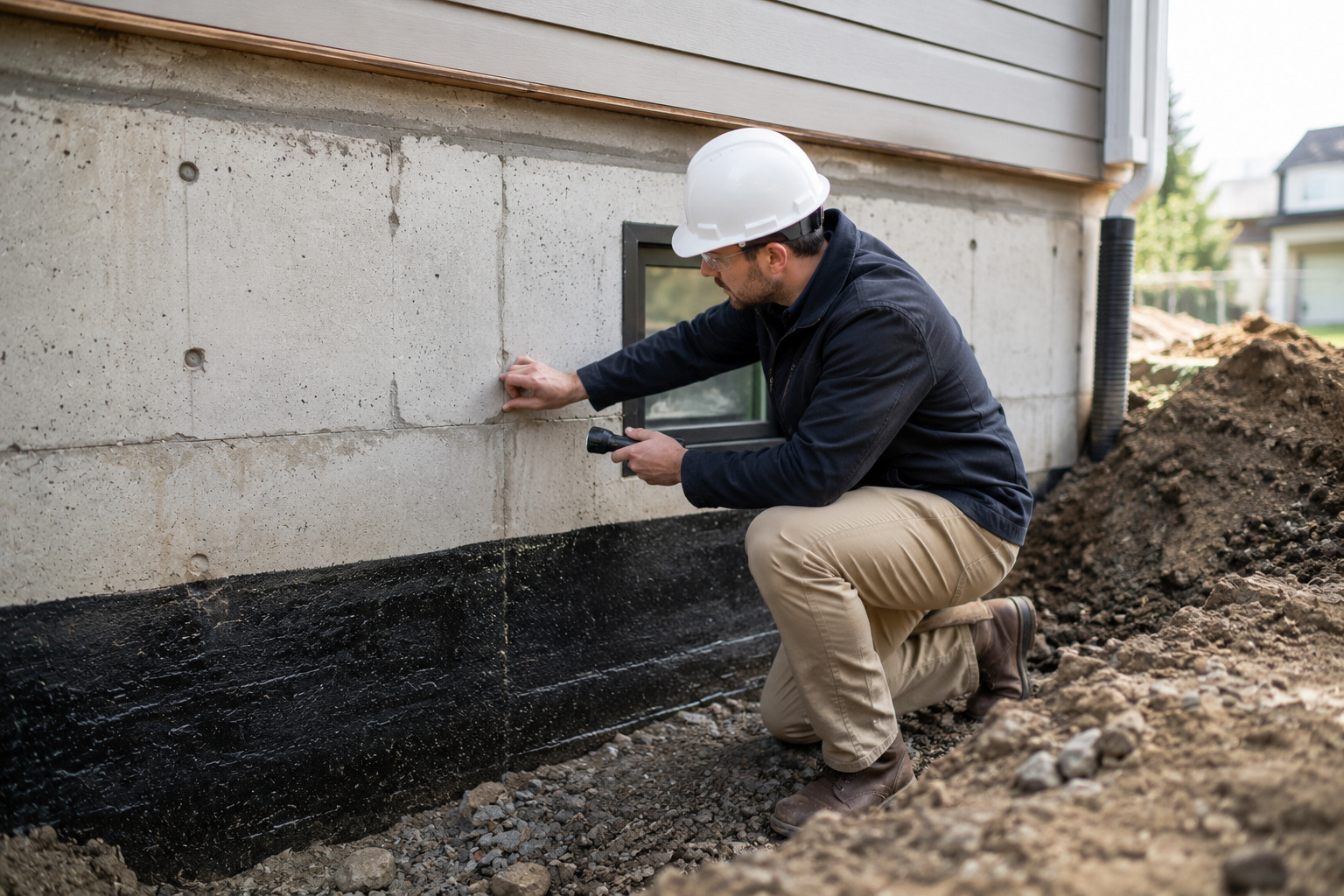
Are Foundation Cracks a Serious Structural Problem?
Finding a crack in a home’s foundation can be concerning. While some foundation cracks develop because of normal concrete shrinkage, others may indicate settlement, soil movement, water pressure, or a more serious structural issue.
The seriousness of a foundation crack depends on its direction, width, location, rate of growth, and whether it appears alongside other signs of movement.
Understanding the different types of foundation cracks can help homeowners determine when a crack may be cosmetic, when it requires monitoring, and when professional assessment should be considered.
Are All Foundation Cracks Serious?
Not every foundation crack means a home is structurally unsafe.
Concrete naturally changes as it cures, dries, and responds to fluctuations in temperature and moisture. Small cracks may form even when a foundation has been properly designed and constructed.
However, foundation cracks should not automatically be ignored. A crack may be an early visible sign of movement elsewhere in the building. Even a relatively narrow crack can become more concerning if it continues to widen, allows water into the basement, or appears alongside other changes in the structure.
The complete pattern of damage should be considered rather than judging a crack based only on its appearance.
Common Types of Foundation Cracks
The shape and direction of a foundation crack can provide useful information about what may be happening within the structure.
Vertical Foundation Cracks
Vertical cracks run primarily up and down a foundation wall. They are commonly associated with concrete shrinkage, particularly in poured concrete foundations.
A narrow vertical crack that has remained unchanged for many years may not represent a major structural concern. However, it may still allow moisture to enter and could require waterproofing or crack sealing.
Vertical cracks become more concerning when they:
- Continue to widen
- Show displacement from one side to the other
- Appear suddenly
- Reopen after being repaired
- Are accompanied by settlement or movement elsewhere
Diagonal Foundation Cracks
Diagonal cracks often extend from the corner of a window, door opening, or foundation wall.
These cracks may indicate uneven settlement, where one part of the foundation has moved more than another. Settlement can result from poorly compacted soil, erosion, changes in groundwater, drainage problems, nearby excavation, or changes to the loads placed on the structure.
A diagonal crack that is noticeably wider at one end may help indicate the direction of movement.
Horizontal Foundation Cracks
Horizontal cracks are generally more concerning than narrow vertical shrinkage cracks.
A horizontal crack in a basement wall may indicate that the wall is bending inward because of pressure from the surrounding soil. This pressure can increase when soil becomes saturated, drainage is inadequate, or freezing conditions affect the ground around the foundation.
Horizontal cracks may appear alongside:
- Inward bowing of the wall
- Water infiltration
- Separation between the wall and floor
- Cracking near the middle of the wall
- Movement around windows or structural supports
A horizontal crack should be assessed promptly, particularly when the wall appears to be leaning or bowing.
Stair-Step Cracks
Stair-step cracks typically follow mortar joints in concrete block, stone, or brick foundations.
They may indicate differential settlement, lateral movement, or a loss of support beneath part of the foundation. Stair-step cracks are more concerning when they are wide, extend through multiple courses of masonry, or show visible displacement.
Minor mortar cracking may result from normal movement, but significant or progressing stair-step cracks may point to a structural issue.
Cracks at Wall Intersections
Cracks or separations where foundation walls meet, where an addition connects to the original building, or at foundation corners can occur because different parts of the structure move independently.
These cracks may result from differences in foundation depth, construction methods, soil support, or building age. They should be investigated when the separation is growing or when related damage is visible elsewhere.
How Wide Is Too Wide for a Foundation Crack?
Crack width can be useful when evaluating a foundation, but it should not be the only factor considered.
Hairline cracks are often less concerning than wide cracks. However, a narrow crack that is actively growing may be more significant than a wider crack that has remained stable for decades.
A foundation crack deserves closer attention when it:
- Is wider than a typical hairline crack
- Continues to widen over time
- Has one side protruding beyond the other
- Runs horizontally or in a stair-step pattern
- Extends through both interior and exterior finishes
- Allows water into the basement
- Appears suddenly
- Reopens after being repaired
There is no single crack width that can determine whether a foundation is structurally sound. The wall type, building design, soil conditions, crack pattern, and surrounding symptoms must also be considered.
Warning Signs of a Structural Foundation Problem
Foundation movement may affect more than the basement wall. Changes at the foundation can travel through the framing and finishes above it.
Foundation cracks may be more serious when they appear alongside warning signs such as:
- Doors or windows that suddenly stick
- Doors that swing open or closed on their own
- Uneven or sloping floors
- Cracks above windows and doors
- Cracks extending through drywall, plaster, brick, or masonry
- Gaps between walls, ceilings, or floors
- Bowed or leaning basement walls
- Separation around a chimney, porch, or addition
- Visible sinking along one side of the building
- Repeated water infiltration
- Cracks that continue to grow
One isolated crack may not indicate a serious problem. Several related symptoms can suggest that the building is experiencing active movement.
What Causes Foundation Cracks?
Foundation cracks can develop for several reasons. Identifying the cause is important because sealing the visible crack may not correct the underlying problem.
Concrete Shrinkage
Concrete loses moisture as it cures. This process can create narrow cracks, especially during the first several months after construction.
Shrinkage cracks are common and do not necessarily indicate settlement or structural failure. They can still create pathways for water.
Foundation Settlement
Settlement occurs when the soil beneath a foundation compresses, shifts, or loses strength.
A small amount of uniform settlement may occur without causing significant damage. Differential settlement is more concerning because one part of the foundation moves more than another.
Possible causes include:
- Poorly compacted fill
- Weak or disturbed soil
- Soil erosion
- Leaking underground pipes
- Changes in groundwater
- Nearby construction
- Excavation
- Added structural loads
Water and Drainage Problems
Water is one of the most common contributors to foundation damage.
Improper grading, clogged gutters, short downspouts, damaged drainage systems, or leaking pipes can allow water to collect beside the foundation. Saturated soil can place additional pressure against basement walls and weaken the soil supporting the footings.
Freeze-Thaw Conditions
In colder climates, water in the surrounding soil can freeze, expand, and place pressure on foundation walls.
Repeated freezing and thawing may contribute to cracking, particularly when drainage is poor or portions of the foundation are not adequately protected from frost.
Expansive or Unstable Soil
Some soil types change volume as their moisture content changes. Soil may expand when wet and shrink when dry, placing repeated stress on the foundation.
The effect depends on the soil composition, drainage conditions, foundation design, and footing depth.
Tree Roots and Vegetation
Large trees located near a building can affect soil moisture and may contribute to soil movement in certain conditions. Roots can also interfere with drainage systems or underground utilities.
The presence of a nearby tree does not automatically mean it is damaging the foundation. The tree species, size, soil type, distance from the structure, and foundation design should all be considered.
Renovations and Structural Changes
Removing a load-bearing wall, constructing an addition, adding another storey, or installing heavy equipment can change the loads transferred through a building.
Cracks that appear after a renovation may indicate that the existing foundation or framing is responding to a new or altered load path.
Can Foundation Cracks Be Repaired Without an Engineer?
Some non-structural foundation cracks can be sealed or waterproofed by a qualified foundation repair contractor. However, the cause of the crack should be understood before repairs begin.
A surface repair may temporarily stop water while leaving the underlying movement unresolved. The crack may eventually reopen, or damage may appear elsewhere.
A structural assessment may be appropriate when:
- The crack may be caused by settlement
- A wall is bowing or leaning
- There is visible displacement
- Several areas of the building are affected
- Structural reinforcement is proposed
- Underpinning may be required
- The property is being purchased or sold
- Engineered drawings or permits may be needed
The purpose of a structural assessment is to identify the probable cause, evaluate the condition of the foundation, and recommend an appropriate repair strategy.
What Happens During a Foundation Crack Assessment?
A foundation assessment usually begins with a visual review of the affected area and the surrounding structure.
The assessment may include examining:
- The crack’s width, direction, and location
- Displacement across the crack
- The foundation material and wall condition
- Signs of bowing or leaning
- Interior wall and ceiling cracks
- Floor slopes
- Doors and windows
- Exterior masonry or cladding
- Site grading and drainage
- Nearby additions, porches, chimneys, or retaining walls
- Previous repairs and renovations
Measurements may be taken to document the condition of the building or determine whether walls and floors are out of alignment.
Additional investigation may sometimes be recommended, including crack monitoring, opening finished surfaces, reviewing construction drawings, or completing a geotechnical assessment.
How Are Structural Foundation Cracks Repaired?
The appropriate repair depends on the cause, location, severity, and extent of the damage.
Crack Injection
Epoxy or polyurethane injection may be used for certain cracks in poured concrete foundations.
Epoxy may help restore continuity across some stable cracks, while polyurethane is commonly used to control water infiltration. Injection is generally not a complete solution when the foundation is still moving.
Wall Reinforcement
Bowed or cracked foundation walls may require engineered reinforcement.
Depending on the conditions, reinforcement could involve steel members, reinforced concrete, structural framing, anchors, or another designed support system.
Underpinning
Underpinning strengthens or extends an existing foundation.
It may be required when the original footing does not have sufficient support, the underlying soil has moved, or construction changes have increased the foundation loads.
Underpinning is a significant structural project that typically requires engineering, permits, and careful construction sequencing.
Drainage Improvements
When water is contributing to foundation movement, repairs may include:
- Correcting grading around the building
- Extending downspouts
- Repairing gutters
- Installing or replacing foundation drainage
- Waterproofing the exterior foundation
- Repairing leaking plumbing
- Managing groundwater
Drainage improvements are often an important part of a long-term foundation repair plan.
Localized Foundation Repairs
In some cases, only a specific section of the foundation wall or footing requires repair.
The affected area may be rebuilt, reinforced, or provided with additional support based on the conditions found during the assessment.
Should You Monitor a Foundation Crack?
Monitoring may be useful when a crack does not appear to present an immediate concern but its stability is uncertain.
Homeowners can photograph the crack and document changes over time. More detailed monitoring may be needed when movement is suspected.
When monitoring a crack:
- Use consistent measurement points
- Take photographs from the same position
- Record the date of each observation
- Note changes in weather or moisture
- Watch for movement in doors, floors, and finishes
- Avoid covering the crack before its cause is understood
Monitoring should not replace an assessment when there are signs of significant or rapidly progressing movement.
Can Foundation Cracks Affect a Property Sale?
Visible foundation cracks may raise concerns for buyers, inspectors, lenders, and insurers.
A crack does not necessarily make a property unsafe or unsellable. Uncertainty about the cause and severity of the crack is often the larger concern.
A professional report can help clarify:
- Whether the crack appears structural or non-structural
- Whether the movement appears active or historic
- Whether repairs are recommended
- What repair approach may be appropriate
- Whether additional investigation is needed
Property owners may benefit from addressing significant foundation concerns before listing a home. Buyers may also request an independent assessment when cracks are identified during a property inspection.
How Can Foundation Cracks Be Prevented?
Not every foundation crack can be prevented, but routine maintenance can reduce the likelihood of moisture-related movement and deterioration.
Property owners should:
- Keep gutters clear
- Direct downspouts away from the foundation
- Maintain positive grading around the building
- Repair plumbing leaks promptly
- Prevent water from pooling beside the structure
- Inspect foundation walls regularly
- Maintain drainage and waterproofing systems
- Have structural renovations properly designed
- Investigate new cracks before covering them
Drainage changes should be planned carefully so they do not create problems elsewhere on the property or affect neighbouring land.
When Should a Foundation Crack Be Assessed?
Professional assessment should be considered when:
- A crack is horizontal, diagonal, or stair-step shaped
- The crack is continuing to widen
- The sides of the crack are displaced
- The foundation wall is bowing or leaning
- Floors have become uneven
- Doors and windows are sticking
- Cracks are appearing throughout the building
- Water continues to enter after repairs
- Damage appeared after nearby construction
- A major renovation or addition is planned
- A property transaction involves foundation concerns
Immediate assistance may be required when a foundation wall appears unstable, movement is occurring rapidly, or there is a risk of falling material or structural failure. Areas that appear unsafe should not be occupied until they have been assessed.
Frequently Asked Questions
Is a vertical foundation crack serious?
A narrow vertical crack may be caused by concrete shrinkage and may not represent a structural problem. It should receive closer attention if it is wide, leaking, displaced, or continuing to grow.
Are horizontal foundation cracks dangerous?
Horizontal cracks can indicate pressure against a foundation wall and are generally considered more concerning. The wall should be assessed, particularly if it appears to be bowing or leaning inward.
Can foundation cracks get worse over time?
Yes. Cracks may widen when settlement, soil movement, water pressure, or structural loading continues. Other cracks may remain stable for many years.
Does every foundation crack need to be repaired?
Not necessarily. The need for repair depends on the cause, location, size, movement, and presence of water infiltration. Even non-structural cracks may require sealing or waterproofing.
Who should assess a foundation crack?
A qualified structural engineer can evaluate whether a crack affects the structural performance of the building. Foundation repair contractors may then complete any recommended repairs.
Final Thoughts
Foundation cracks can range from minor concrete shrinkage to signs of significant structural movement.
The appearance of a crack alone is not always enough to determine how serious it is. Its direction, width, location, rate of change, and relationship to other signs of movement all need to be considered.
Cracks that are growing, displaced, horizontal, stair-step shaped, or accompanied by bowed walls, uneven floors, or sticking doors should not be ignored. Identifying the underlying cause before completing repairs can help prevent recurring damage and ensure the appropriate solution is used.
This article provides general information and is not a substitute for a property-specific inspection or professional structural advice.
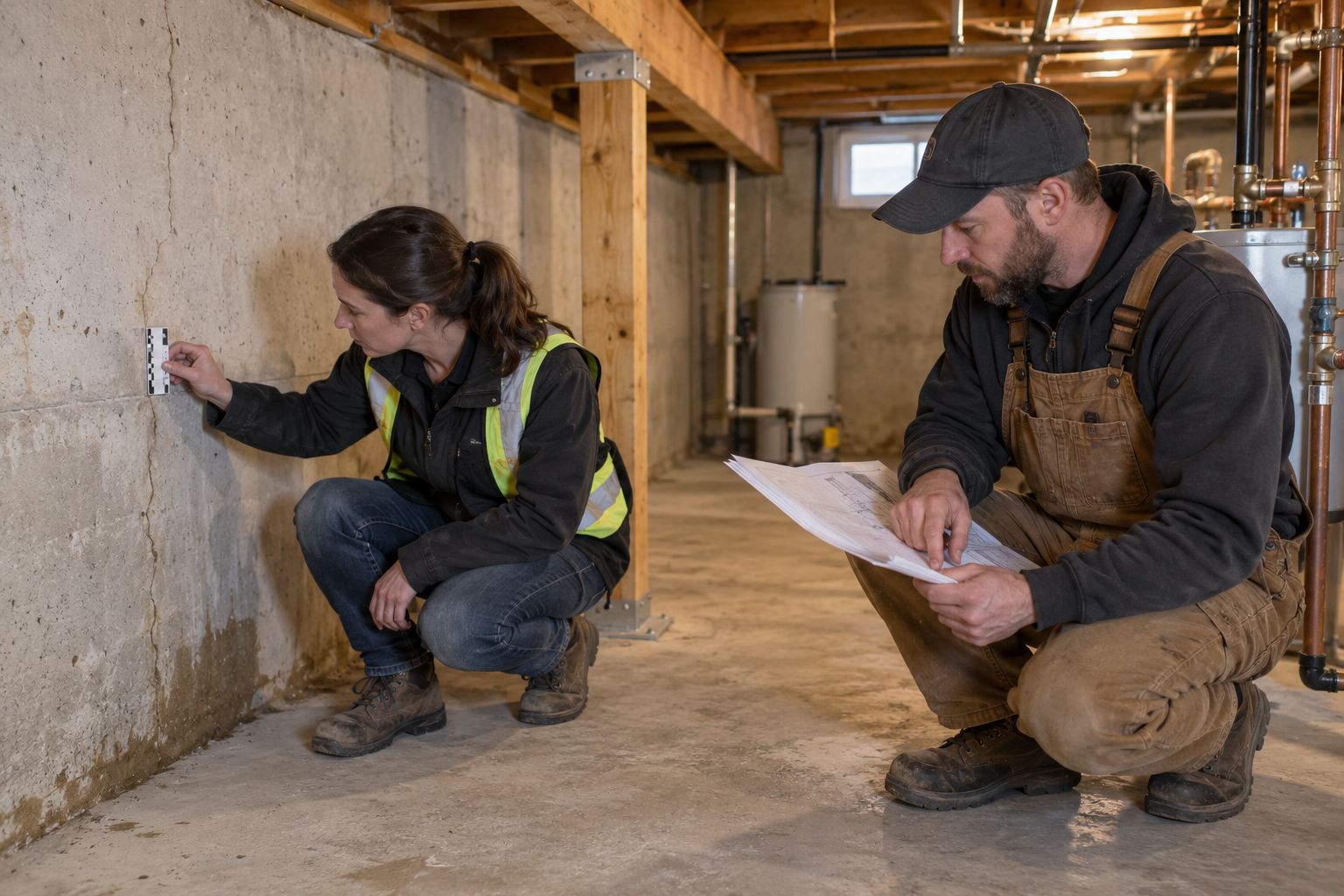

Our Services
We provide tailored structural engineering solutions for homeowners, builders, and renovators in Southern Alberta.

